Guide three of seven
A mouth at six is not a mouth at sixty.
The same teeth, but different risks, different habits and a different conversation each decade. Here is what changes, and what we watch for at each handover.
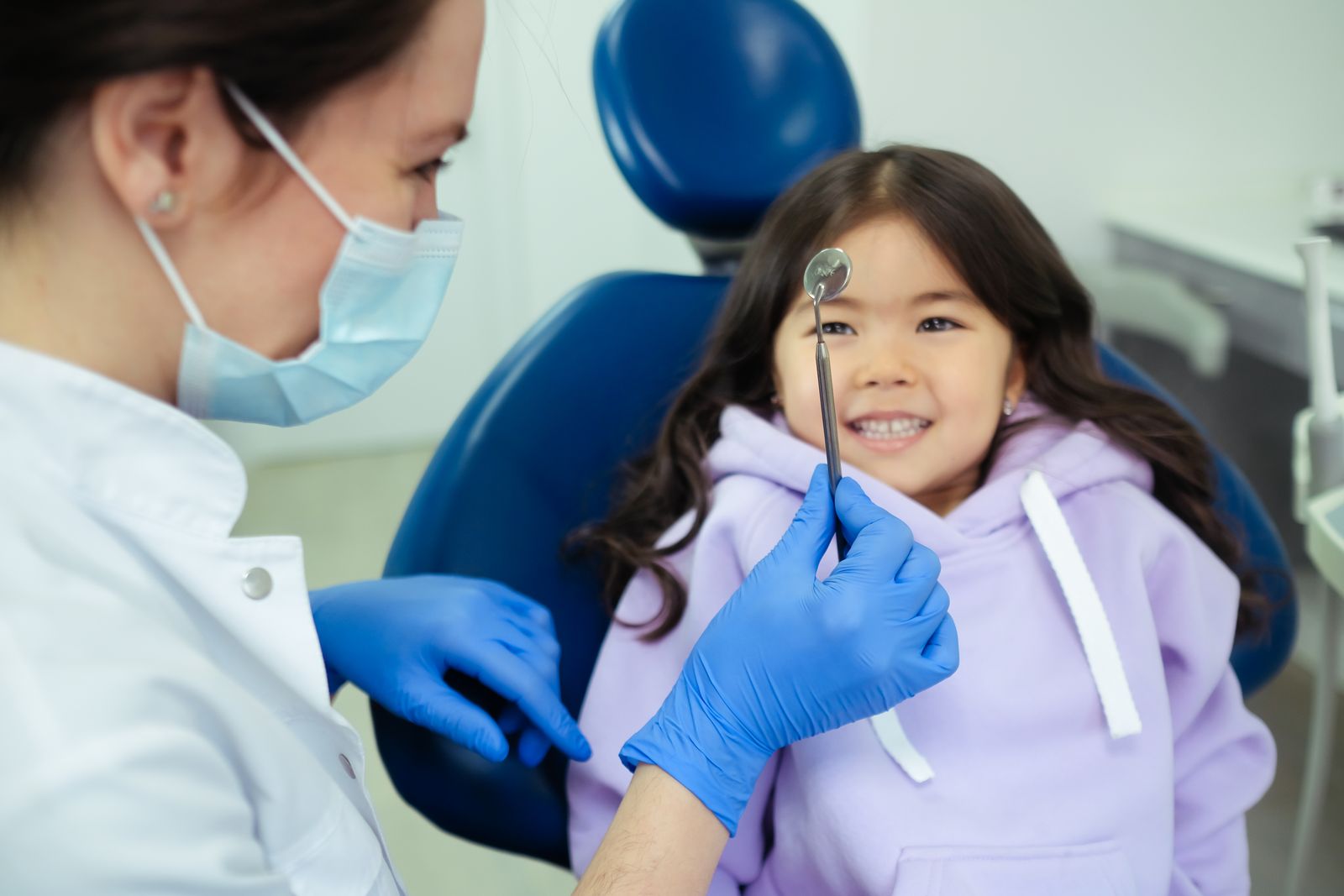
Six stages, and what each one is really about.
Ages are the usual pattern rather than a rule. Eruption dates vary by months in either direction, and a slow start is almost never a problem on its own.
- 0 to 3
First tooth to first sentences
The primary dentition usually starts arriving around six months and is complete by about three years. Enamel on baby teeth is thinner than on adult teeth, so decay moves through it faster.
At home
- Wipe the gums, then brush twice daily with a smear of fluoride toothpaste as soon as the first tooth appears.
- No bottle in the cot, and move from bottle to open cup around the first birthday.
- Lift the lip once a week and look at the gumline of the upper front teeth, where early decay shows first.
What we check
Eruption pattern, early decay, frenum attachment and whether feeding habits are causing damage.
We see children from age six at Lumière. For younger children we will happily recommend a pediatric specialist nearby, and the first visit should happen by the first birthday or within six months of the first tooth.
- 6 to 12
The mixed dentition years
First permanent molars arrive around six, usually behind the baby teeth rather than replacing any, so they are easy to miss. For the next six years there are adult and baby teeth in the same mouth, at different heights and with different cleaning needs.
At home
- An adult brushes or checks after them until around age eight, when handwriting becomes tidy.
- Fissure sealants on the new permanent molars, placed soon after they erupt.
- Floss where teeth touch, which is usually the back teeth first.
What we check
New molars and sealant condition, decay between teeth, and how the permanent teeth are being guided in.
An orthodontic assessment around age seven is not about early braces. It is about spotting crossbites, crowding and jaw growth patterns while growth can still be used.
- 13 to 19
Independence, and its consequences
The permanent dentition is complete apart from third molars, which appear from the late teens. This is when decay rates climb, because brushing becomes self-supervised at the same time as diet becomes self-chosen.
At home
- An electric brush with a pressure sensor, which teenagers use more reliably than a manual one.
- A mouthguard for contact sport, fitted rather than boil-and-bite, if the sport is regular.
- Honest conversations about energy drinks and vaping, both of which we see in the enamel.
What we check
Decay risk, third molar position on a panoramic image, enamel erosion and whether alignment is settling or drifting.
Orthodontics finished at sixteen still needs retainers at twenty-six. Relapse is the single most common reason adults ask us about aligners.
- 20 to 44
Maintenance, and the first cosmetic questions
Decay slows for most people and gum health becomes the thing that decides the next forty years. This is also when older fillings from childhood start to fail at their margins, and when the cracks that end in crowns begin.
At home
- Interdental brushes sized to your own spaces, which clean better than floss wherever they fit.
- A night guard if you wake with tight jaw muscles or have flattened, shiny wear on the canines.
- A realistic look at how often, rather than how much, sugar and acid reach your teeth.
What we check
Full periodontal charting, the margins of existing restorations, early wear facets and an oral cancer screening.
Almost every cosmetic case we take on starts here, and almost all of them go better when gum health is settled first.
- 45 to 64
Recession, wear and repair
Gums recede, exposed root surfaces are softer than enamel and decay at the gumline becomes more likely. Decades of chewing show as flattened edges and vertical cracks, and restorations placed in your twenties reach the end of their service.
At home
- A soft brush and light pressure, because scrubbing accelerates recession rather than cleaning better.
- A higher-fluoride toothpaste if root surfaces are exposed, which we can prescribe.
- Treat dry mouth seriously, including the dryness caused by common blood pressure and antidepressant medication.
What we check
Recession measurements, root surface decay, cracked cusps, and whether old large fillings should become onlays.
Replacing a failing filling with a larger filling usually buys a few years. Moving to a bonded ceramic onlay usually buys considerably more.
- 65 and beyond
Keeping what you have
Medication-related dry mouth, reduced dexterity and root surface decay become the main risks, rather than the cavities of childhood. Implants and bridges placed years ago need their own maintenance, and dentures need relining as the ridge changes shape.
At home
- A large-handled or electric brush, and interdental brushes with a long handle if reach is difficult.
- Sip water, use a saliva substitute and avoid sucking sweets to relieve dryness, which trades comfort for decay.
- Clean around implants and under bridges daily, with the specific brush or floss we show you.
What we check
Root decay, denture fit and ridge changes, implant health, and an oral cancer screening at every visit.
If getting to us is difficult, tell the coordinator. Ground-floor access, longer appointments and companion seating are all arranged in advance.
The three handovers
Most problems start at a change of hands.
Decay and gum disease do not usually begin because someone stopped caring. They begin at the point where responsibility moves, and nobody notices that the new owner has not taken it up yet.
- 01Around eight
A parent hands brushing to a child. Keep checking for another year or two, especially the inside of the lower front teeth.
- 02Around eighteen
A teenager takes over booking, paying and remembering. This is where a decade of gaps in attendance usually begins.
- 03Around seventy-five
Dexterity, medication and transport all change at once. Adapted brushes and longer appointments solve most of it, if anyone asks.

Who we see, and who we refer.
We look after children from age six alongside their parents, which keeps a family on one set of appointments. For younger children, and for anything that needs a pediatric specialist, we will name someone good nearby rather than stretch.
General information, not dental advice. Nothing here is a diagnosis or a treatment plan, and it cannot account for your own history, medications or examination findings. Please speak with a licensed dentist about your own care.
Booking a family
- Back-to-back hygiene appointments so one trip covers everyone
- School-hour slots on Tuesdays and Thursdays
- A first visit for a nervous child that involves nothing but a chair ride
- One estimate covering the whole family, before anything is booked
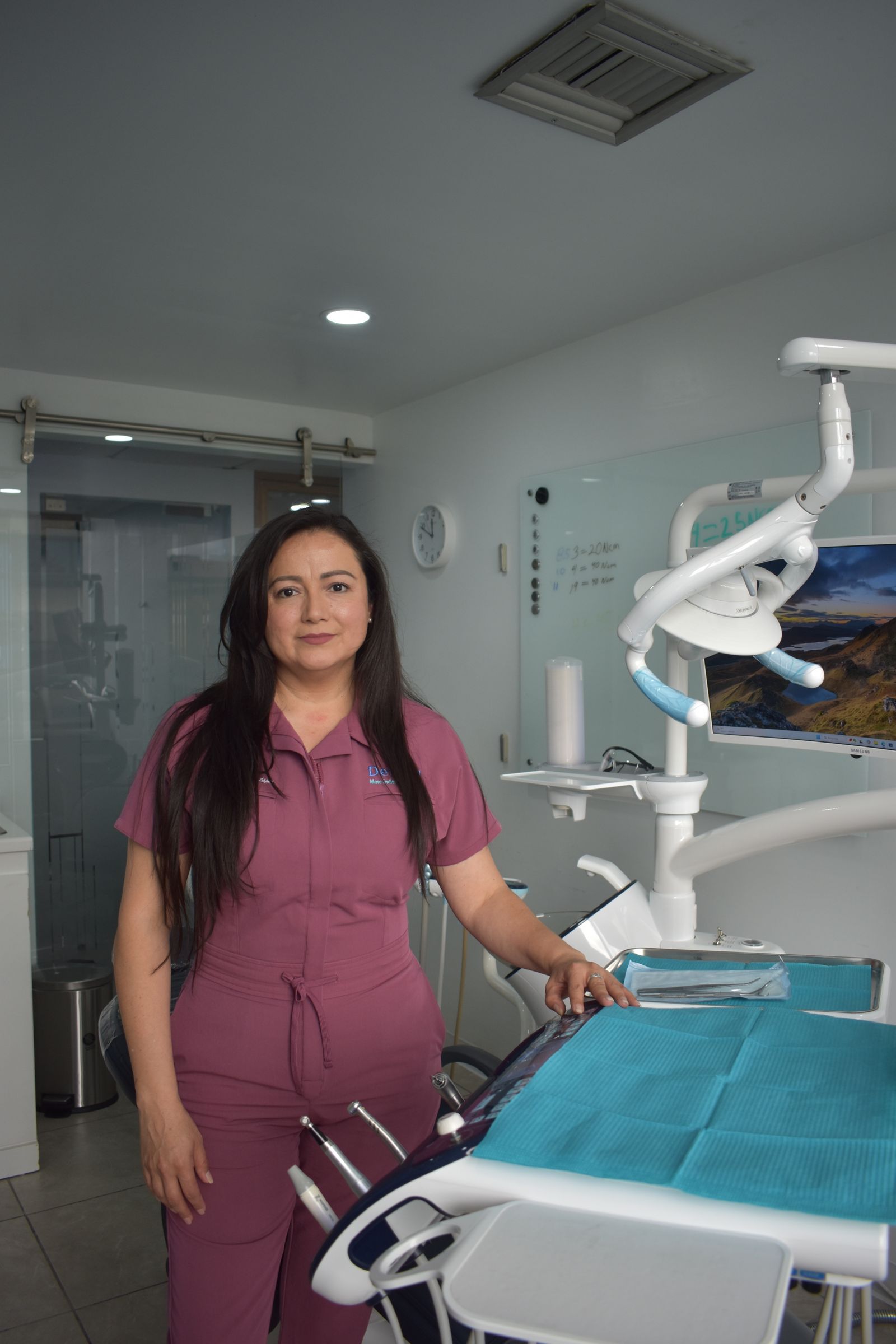
One studio, four decades of a family.
Most of our families started with one adult appointment. Bring whoever else needs looking after, and we will arrange the day around it.
Rated 4.9 by 612 patients. Most PPO plans welcome.