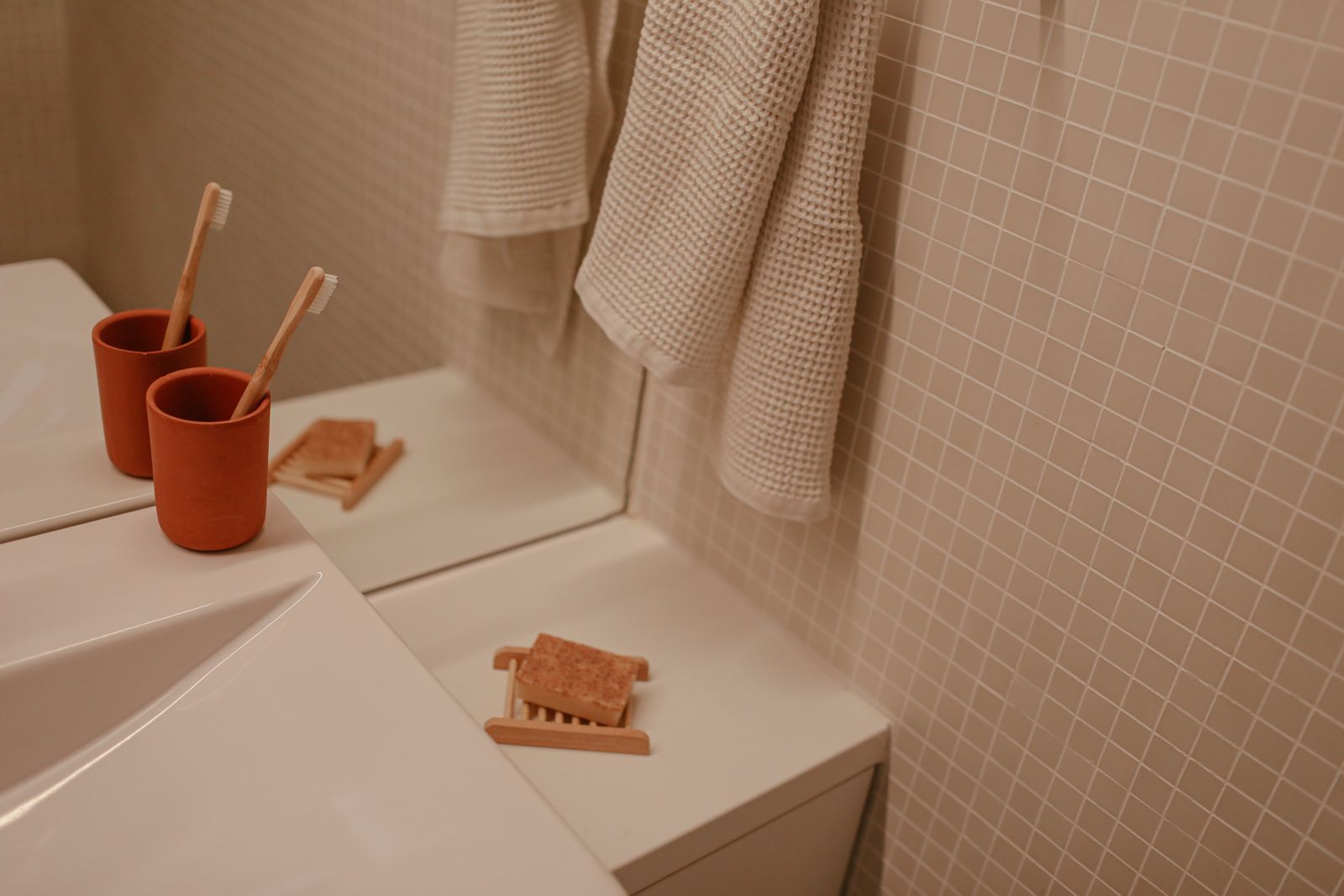
Morning
- Brush before breakfast, two minutes, spit and do not rinse
- Scrape or brush the tongue briefly
- Rinse and dry the night guard, then store it vented
Guide seven of seven
Everyone knows they should brush and floss. Far fewer people know which parts of that advice carry the weight, so here it is in order, with the reasons.
If you only change one thing this year, change the first one. It costs nothing, takes no extra time, and most people have never been told.
Fluoride at 1,350 to 1,500 parts per million is the active ingredient, and contact time is how it works. Angle the bristles at about 45 degrees into the gumline and work in small circles rather than sweeping across.
Spit the toothpaste out and do not rinse with water afterwards. Rinsing washes away the fluoride you just paid for, and this single change is the cheapest improvement most people can make.
A brush cannot reach the two surfaces where most adult decay and nearly all gum disease begin. Interdental brushes clean better than floss wherever the space allows one, and the right size is the one that meets slight resistance.
Where teeth touch tightly, floss is still the tool: curve it into a C around each tooth and slide it under the gum edge rather than snapping it straight down. Water flossers are genuinely useful around bridges, implants and fixed retainers.
Frequency beats quantity. A whole dessert eaten at once does less damage than the same sugar sipped across an afternoon, because each exposure drops the pH for around twenty minutes and the clock restarts with every sip.
The worst habits we see are not sweets but slow ones: a coffee with sugar nursed for an hour, sparkling water all day, a sports drink through a workout. Group them with meals and the arithmetic changes.
Soft bristles, replaced every three months or when they splay. An electric brush with a pressure sensor helps most people, mainly because it stops them pressing hard, which is the most common technique fault we see.
Medium and hard brushes do not clean better. They wear notches into exposed root surfaces and accelerate recession, and that damage does not grow back.
Night guards and retainers live in a warm, wet mouth for eight hours a day. Rinse and brush them with liquid soap and cool water each morning, dry them, and store them in a vented case rather than a sealed one.
Do not clean them with toothpaste, which is abrasive enough to dull the surface, and never use hot water, which distorts them permanently.
After anything acidic, citrus, wine, vinegar or sparkling water, enamel is temporarily softened. Rinse with plain water and wait thirty to sixty minutes before brushing.
This is also why brushing before breakfast rather than after suits most people better, and it removes the excuse of leaving the house in a hurry.
The whole thing, condensed
Nine lines. If your routine already matches this one, there is very little else worth adding, and almost nothing worth buying.
Morning
Through the day
Evening
None of them are true, and four of them are actively costing someone enamel.
General information, not dental advice. Nothing here is a diagnosis or a treatment plan, and it cannot account for your own history, medications or examination findings. Please speak with a licensed dentist about your own care.
Hardened deposits below the gumline need an instrument, not a better brush. Everything else is yours, and that is most of it.
Rated 4.9 by 612 patients. Most PPO plans welcome.
We value your privacy
We use cookies to run this site, remember your preferences and understand how it is used.Cookie policy