Dental implants
A replacement tooth you forget is there.
3D-guided implant surgery and custom zirconia crowns, planned and placed by Dr. Okafor under one roof.
Overview
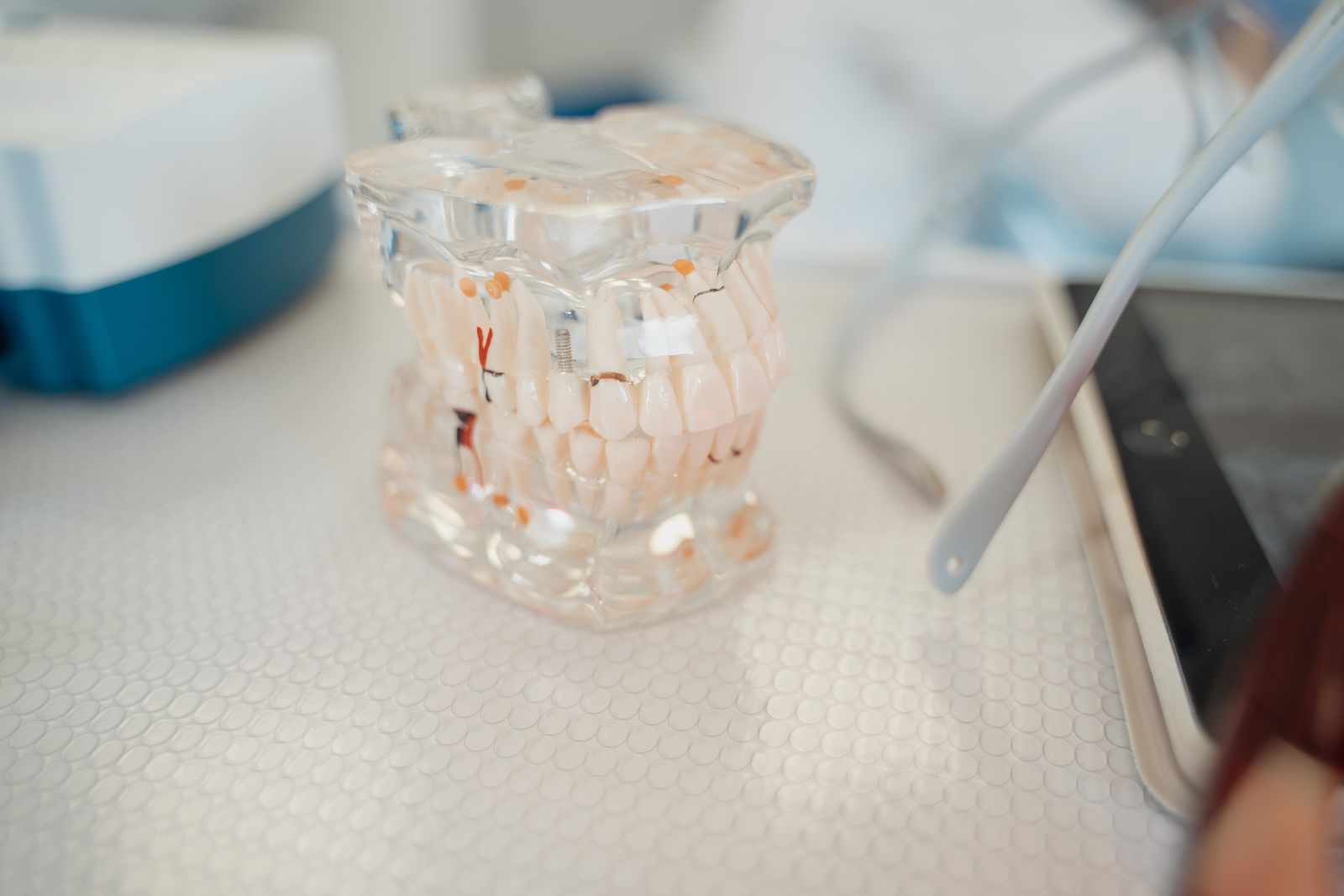
An implant replaces the root of a missing tooth with a small titanium or zirconia post that bonds with the jawbone. Once healed, it supports a crown that is shaped, shaded and contoured to match the teeth beside it. Unlike a bridge, neighboring teeth are left untouched.
Every implant at Lumière begins with a cone beam CT scan. Dr. Okafor plans the exact position digitally, then uses a 3D-printed surgical guide so placement is precise, the procedure is shorter and healing is usually more comfortable. Where the front of the smile is involved, gum contour is planned as carefully as the crown itself.
What is included
- Cone beam CT scan and digital implant planning
- 3D-printed surgical guide
- Implant placement under local anesthetic, with sedation available
- A temporary tooth while the implant heals
- Custom abutment and zirconia or porcelain crown
- Follow-up visits through the first year
How it works
Four calm, clearly explained stages from first conversation to final result.
Plan
A CT scan shows bone volume and nerve position so the implant can be positioned digitally.
Place
Using a surgical guide, the implant is placed in a visit that often takes under an hour.
Heal
Over eight to twelve weeks the implant integrates with bone while you wear a temporary tooth.
Restore
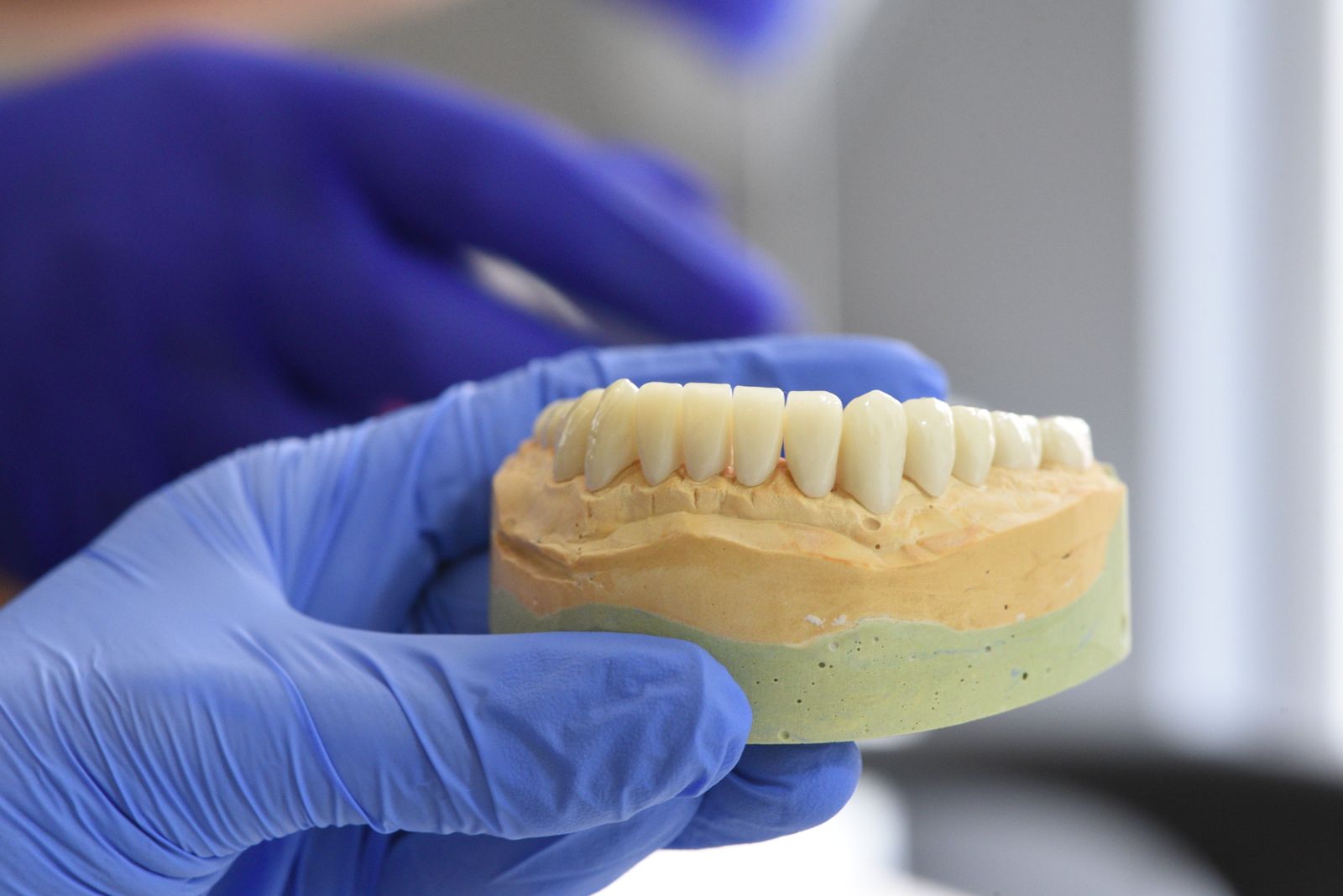
A custom crown is scanned, shaded in person and fitted to match your natural teeth.
Why patients choose it
- Protects bone
- Implants stimulate the jawbone and help prevent the shrinkage that follows tooth loss.
- Neighbors untouched
- No need to shape healthy adjacent teeth, as a traditional bridge requires.
- Natural bite
- Chew, speak and smile with the confidence of a fixed, stable tooth.
- Long-term value
- With good care, implants can last decades, often outliving other options.
What shapes your fee
Starting from a sample fee of $4,200 per tooth. Every plan is quoted in writing before treatment, with insurance estimated where it applies.
- Bone volume
- Grafting may be needed if bone has thinned since the tooth was lost.
- Location
- Front teeth need more gum and aesthetic planning than back teeth.
- Crown material
- Layered porcelain for the front, monolithic zirconia for strength at the back.
- Sedation
- Oral or IV sedation is available and priced separately.
“My front implant is indistinguishable from my own teeth. Dr. Okafor explained every step with remarkable patience.”
Dental implants: common questions
Most patients describe it as easier than a tooth extraction. Mild soreness for two or three days is typical and is managed with over-the-counter medication.
The implant itself can last for decades with good hygiene and regular checkups. Crowns may need replacing after 15 years or more.
Sometimes. If bone and gum conditions are ideal, immediate placement is possible. Your CT scan tells us whether it is a safe option.
Often paired with
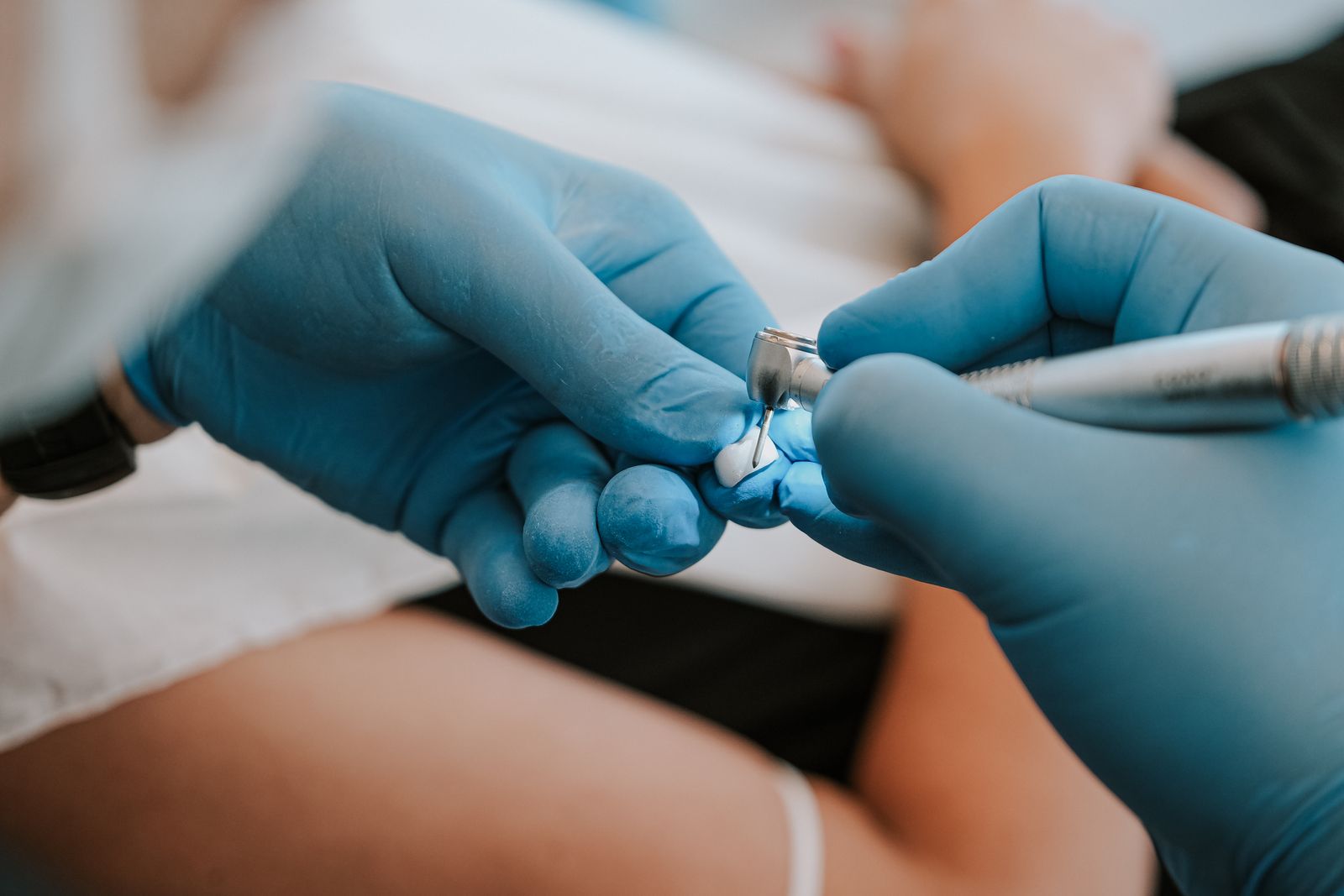 Crowns and root canalsComfortable root canal therapy and ceramic crowns designed to blend in, often in the same week.
 Checkups and cleaningsUnhurried hygiene visits with a 3D scan, oral cancer screening and a clear plan in plain language.
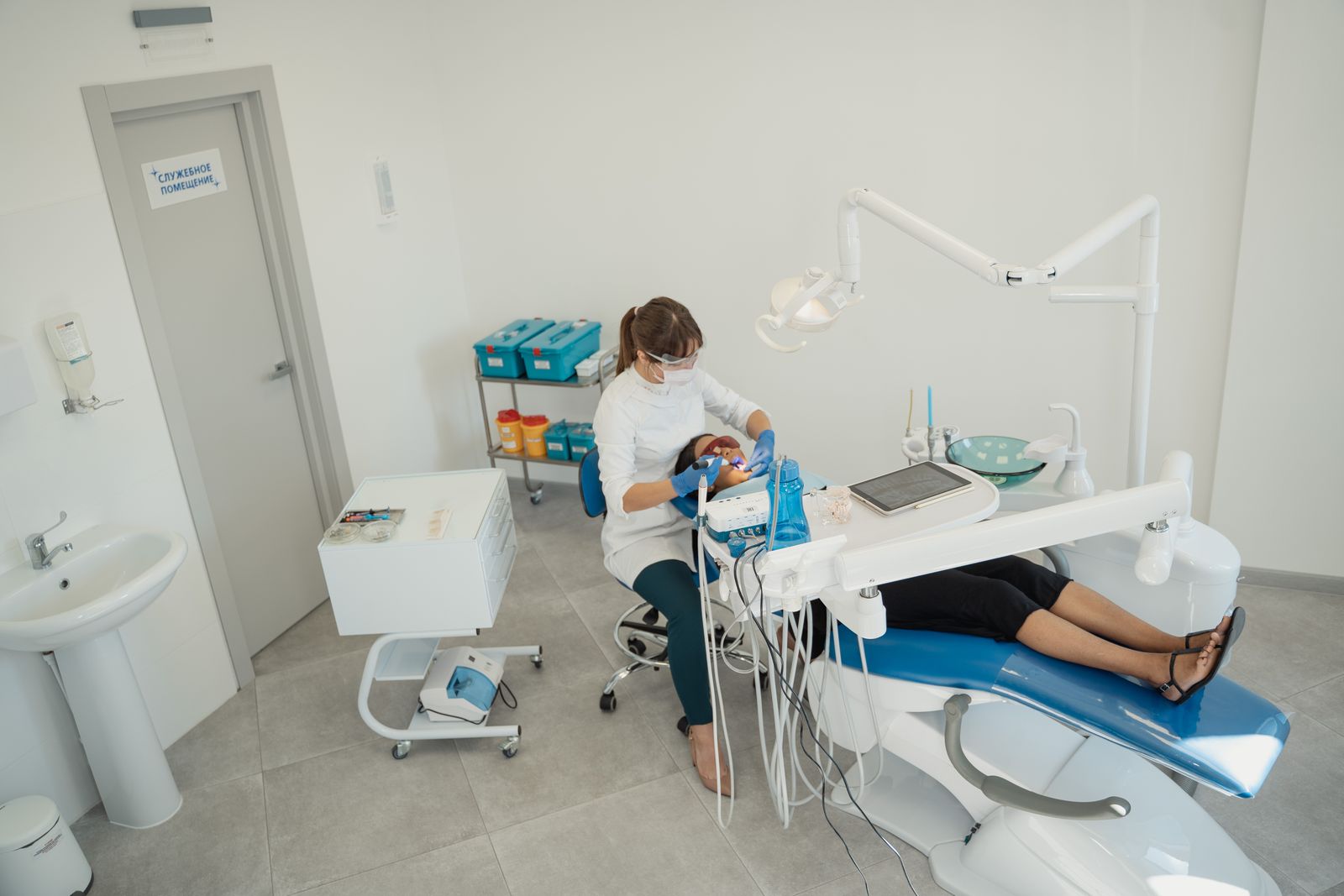 Emergency dentistrySame-day appointments for toothaches, chipped teeth, lost crowns and swelling.
Ready to talk about dental implants?
Share your goals and we will plan the simplest path to a result that looks like you. Results vary; your dentist will advise what suits you.
Rated 4.9 by 612 patients. Most PPO plans welcome.